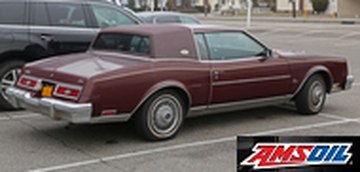
Maintaining Lubrication Standards for the 1981 Buick RIVIERA 5.7L Diesel
Proper engine maintenance is a cornerstone of long-term vehicle health, particularly for specialized powerplants like the 5.7L diesel engine found in this 1981 Buick RIVIERA. Because diesel engines operate under different thermal and mechanical stresses than gasoline counterparts, staying diligent with lubrication and routine inspections is essential for preserving engine integrity.Monitoring Fluid Integrity and Condition
One of the most effective ways to monitor the health of a vehicle is through regular observation of its fluids. For an owner of a 1981 Buick RIVIERA, this involves more than just checking levels; it requires an assessment of the fluid's physical condition. When inspecting engine oil, look for changes in color or consistency that might deviate from what is normal for your specific application. If you notice any unusual appearance in the lubricant, such as a milky texture or significant darkening beyond typical usage patterns, it warrants immediate investigation. Such changes can be associated with various factors, including moisture contamination or the presence of combustion byproducts. Furthermore, observing the area around the engine for signs of seepage is a practical habit. Inspecting gaskets and seals for any evidence of age-related leakage can help identify potential issues before they escalate into more significant mechanical concerns.Practical Inspection Priorities for Aging Engines
As vehicles age, maintenance strategies often shift from purely scheduled tasks to condition-based monitoring. For this 1981 Buick RIVIERA, rather than assuming components are failing simply because of the vehicle's age, it is more effective to use current operating conditions to set your service priorities. If you do not have a complete history of previous repairs and service, establishing a maintenance baseline is a wise first step. This involves documenting every oil change, filter replacement, and fluid service performed moving forward. By keeping detailed records, you can distinguish between routine preventive maintenance and necessary repairs. When performing inspections, pay close attention to the following:- Sealing Surfaces: Check for any signs of weeping or seepage around engine components.
- Hoses and Connections: If present, inspect visible hoses for signs of cracking, softening, or bulging.
- Electrical Integrity: Inspect accessible wiring and electrical connectors for signs of corrosion or fraying.
- Drive Components: If equipped, examine accessible drive belts for evidence of glazing, cracking, or deterioration.
Understanding Lubrication and Engine Protection
The engine oil in a 5.7L diesel engine performs several vital roles that extend beyond simple lubrication. It acts as a primary medium for heat management, helping to dissipate thermal energy away from critical internal components. Additionally, the oil contains additives designed to manage contaminants and prevent the buildup of deposits that can interfere with engine efficiency. Maintaining high lubricant quality is essential for ensuring these functions are performed effectively. Over time, even high-quality oils can lose their ability to resist oxidation or maintain their protective properties. This is why consistent attention to the lubrication system is a priority for any owner looking to preserve the mechanical condition of their engine. If you notice changes in how the engine operates or observe unusual mechanical noises, these symptoms should be investigated promptly, as they may indicate that the lubrication system requires attention.Managing Maintenance Records and History
For long-term ownership, the quality of your maintenance history is just as important as the service itself. A well-documented service log provides a clear picture of the vehicle's health and can be invaluable when determining what service is actually required. If you are currently managing a vehicle with an incomplete service history, do not feel pressured to replace every aging component immediately. Instead, prioritize addressing any visible warning signs or overdue maintenance tasks that are clearly identified through inspection. This approach allows for more efficient resource allocation and prevents unnecessary parts replacement. Consistent monitoring of fluid consumption is also a key part of this process; if you find yourself needing to add oil more frequently than in the past, it serves as an important indicator that your maintenance routine or inspection frequency may need adjustment.Identifying Potential Warning Signs
It is important to recognize that many symptoms can have multiple underlying causes. For example, an unusual odor or a change in exhaust characteristics does not automatically point to one specific mechanical failure. However, these signs should never be ignored. If you observe any of the following, it is advisable to seek a professional diagnosis:- Changes in the way the engine sounds during startup or idling.
- Visible fluid leaks on the ground beneath the vehicle.
- A sudden increase in the frequency of oil level checks.
- Warning indicators appearing on the dashboard.